

Struncatura: The Illegal Pasta That Became a Culinary Icon
In the world of Italian pasta, some stories are as rich and compelling as the dishes themselves.
Imagine a pasta born from such humble beginnings that it was once illegal to sell, a food of the poor, sold "under the table" in the rugged region of Calabria.
This is the story of Struncatura, a pasta that has journeyed from the floor of flour mills to the tables of Michelin-starred restaurants. It's a tale of resilience, tradition, and incredible flavour.
At Assaggia, we believe the best foods have the most interesting stories. This guide is for the curious Australian home cook who wants to discover something truly unique.
We'll demystify Struncatura, show you why it's not just another whole wheat pasta, and give you the confidence to make this Calabrian treasure a part of your own culinary adventures.
What Makes Struncatura Different from Any Other Pasta?
At first glance, Struncatura might look like a rustic whole wheat linguine, but its character is far more complex.
Its uniqueness comes from its traditional composition and production method, which create a pasta with a distinct look, feel, and taste.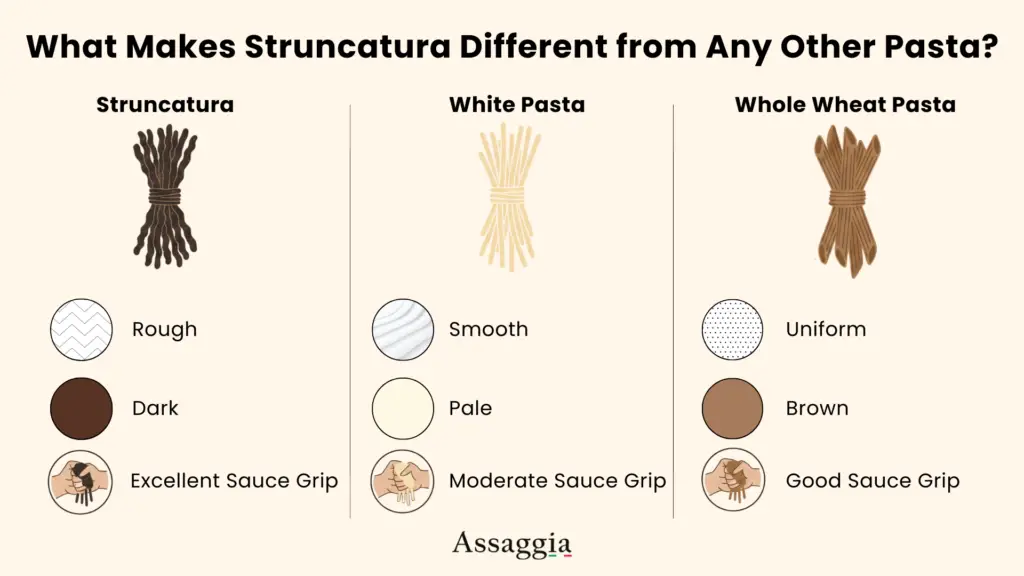
- The Look: Struncatura has a dark, amber hue and a coarse, almost rough-hewn appearance. This isn't a sleek, uniform pasta; it's rustic and full of character.
- The Texture: Made using bronze dies, the pasta has a porous, rugged surface. This is its superpower. This texture allows it to grip onto sauces in a way that smooth, mass-produced pastas simply can't, ensuring every bite is perfectly coated and full of flavour.
- The Flavour: Expect a nutty, earthy, and slightly bitter flavour profile that is far more interesting than standard pasta
| Feature | Struncatura | Standard White Pasta | Standard Whole Wheat Pasta |
|---|---|---|---|
| Appearance | Dark, rustic, coarse | Pale, smooth, uniform | Brown, often uniform |
| Texture | Rough, porous, sauce-gripping | Smooth, sometimes slippery | Can be dense or mushy |
| Flavour | Nutty, earthy, slightly bitter | Neutral, mild | Can be bland or overly wheaty |
| Best For | Bold, oil-based sauces | Versatile, all-purpose | Hearty, robust sauces |
The Story of Calabrian Resilience
Struncatura's story begins in the plains of Gioia Tauro, a coastal area in Calabria, Italy's rugged southern "toe."
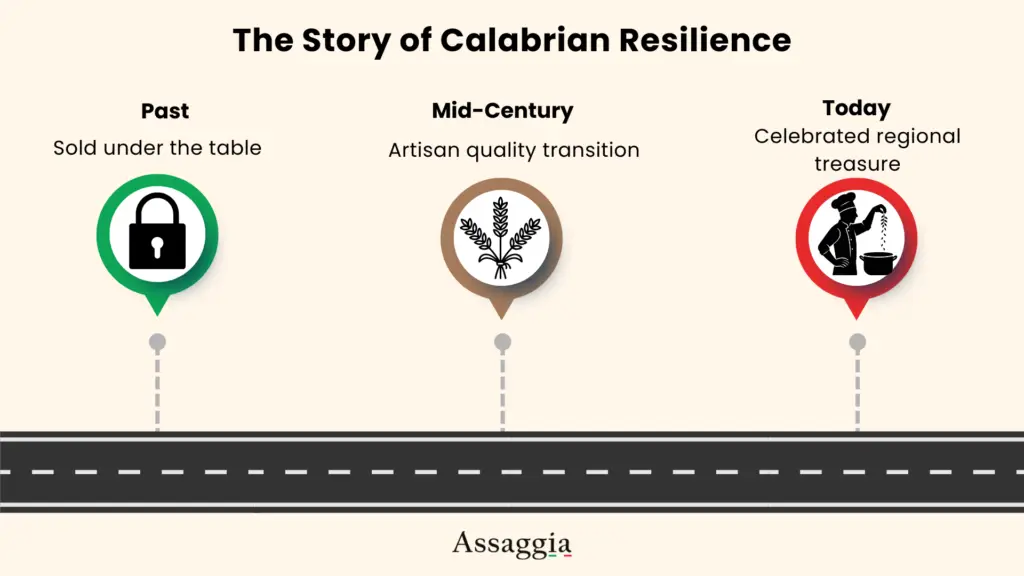
Historically, it was made from the sweepings of the local flour mills—the residues of flour and bran left on the floor after a day of milling. This meant it was a mix of different grains, creating its unique composition.
Because of its unhygienic origins, the sale of Struncatura was officially banned. But for the region's poorest families, it was an affordable source of sustenance.
It was sold secretly, a forbidden food that became a symbol of survival and ingenuity. Today, Struncatura is no longer made from floor sweepings.
It is crafted by artisans using high-quality whole meal durum wheat and semolina, adhering to strict hygiene standards.
It has been officially recognised as a Traditional Agri-food Product (PAT) of Calabria, a testament to its journey from a food of poverty to a badge of regional pride.How to Cook Struncatura Perfectly
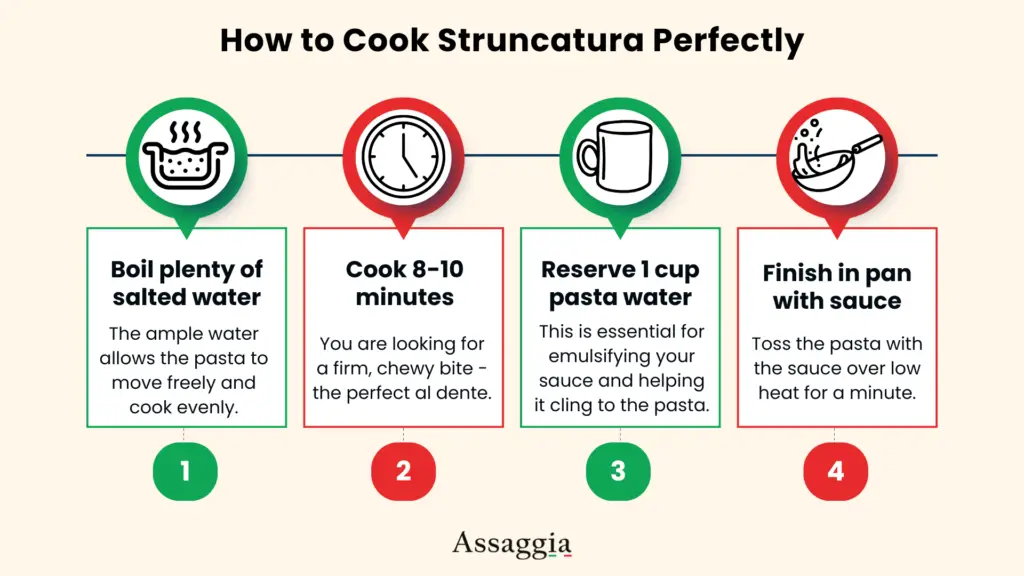
Cooking Struncatura is straightforward, but a few details will ensure you get the best result. Its rustic nature means it behaves slightly differently from standard pasta.
- 1. Use Plenty of Water: Bring a large pot of generously salted water to a rolling boil. The ample water allows the pasta to move freely and cook evenly.
- 2. Follow the Timing, But Trust Your Taste: Struncatura typically takes around 8-10 minutes to cook. However, the best way to check for doneness is to taste it. You are looking for a firm, chewy bite - the perfect al dente.
- 3. Reserve the Pasta Water: Before draining, reserve a cup of the starchy pasta water. This "liquid gold" is essential for emulsifying your sauce and helping it cling to the pasta.
- 4. Finish in the Pan: Drain the pasta and add it directly to your sauce in the pan. Toss it with the sauce over low heat for a minute, adding a splash of pasta water to create a creamy, well-integrated dish.
Traditional Calabrian Pairings & Modern Twists
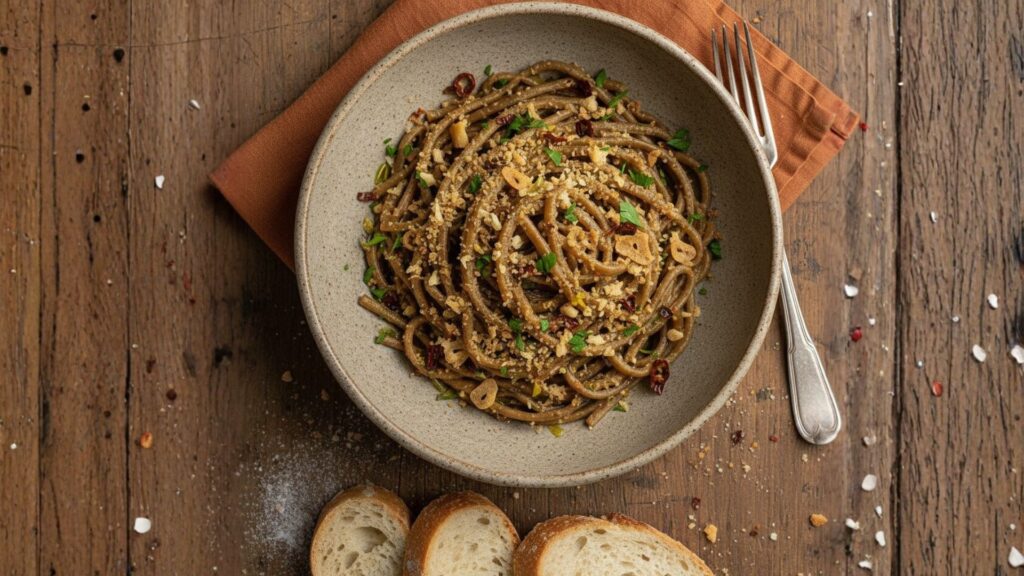
Struncatura's robust flavour and texture pair best with simple, powerful ingredients. The traditional recipes are a masterclass in creating incredible flavour from a few humble items.
- The Classic (Ammuddicata): This is the quintessential Struncatura dish. A simple sauce of extra virgin olive oil, garlic, anchovies, and Calabrian chilli, all tossed with the pasta and topped with toasted breadcrumbs. The breadcrumbs add a crunchy texture that contrasts beautifully with the chewy pasta.
- The Spicy: For those who like heat, pair Struncatura with a sauce featuring 'Nduja, Calabria's famous spicy, spreadable pork sausage. Its rich, fiery flavour is a perfect match for the pasta's earthy notes.
- The Simple: Even a basic dressing of good quality olive oil, garlic, and a sprinkle of parsley allows the pasta's unique character to shine.
Why Authentic Struncatura Matters
In a market full of imitations, authenticity is key. True Struncatura is defined by two things: its ingredients and its production method.
- Bronze-Die Extrusion: This traditional method pushes the dough through bronze plates, creating that all-important rough, porous surface. Industrial Teflon dies create a smoother, less absorbent pasta.
- Regional Provenance: Authentic Struncatura comes from Calabria, specifically the Gioia Tauro region. This ensures it is made according to tradition.
At Assaggia, we source our Struncatura Pasta directly from artisans in Calabria who honour these traditions.
This commitment to authenticity means you are getting a product with the genuine texture and flavour that makes this pasta so special.
Experience Struncatura with Assaggia
Struncatura is more than just a meal; it's an experience. It's a connection to a story of resilience, a taste of authentic Italian tradition, and a chance to explore a flavour profile that is both ancient and excitingly new.
For just $6.20, a 500g pack of our authentic Calabrian Struncatura offers a gourmet experience that is both accessible and unforgettable.
It's the perfect way to step up your pasta night and introduce your family and friends to a true taste of Italy.
Ready to discover the illegal pasta that chefs now celebrate? Shop Assaggia's Struncatura Pasta today and bring a piece of Calabrian history to your Australian kitchen.
In the world of Italian pasta, some stories are as rich and compelling as the dishes themselves.
Imagine a pasta born from such humble beginnings that it was once illegal to sell, a food of the poor, sold "under the table" in the rugged region of Calabria.
This is the story of Struncatura, a pasta that has journeyed from the floor of flour mills to the tables of Michelin-starred restaurants. It's a tale of resilience, tradition, and incredible flavour.
At Assaggia, we believe the best foods have the most interesting stories. This guide is for the curious Australian home cook who wants to discover something truly unique.
We'll demystify Struncatura, show you why it's not just another whole wheat pasta, and give you the confidence to make this Calabrian treasure a part of your own culinary adventures.
What Makes Struncatura Different from Any Other Pasta?
At first glance, Struncatura might look like a rustic whole wheat linguine, but its character is far more complex.
Its uniqueness comes from its traditional composition and production method, which create a pasta with a distinct look, feel, and taste. - The Look: Struncatura has a dark, amber hue and a coarse, almost rough-hewn appearance. This isn't a sleek, uniform pasta; it's rustic and full of character.
- The Texture: Made using bronze dies, the pasta has a porous, rugged surface. This is its superpower. This texture allows it to grip onto sauces in a way that smooth, mass-produced pastas simply can't, ensuring every bite is perfectly coated and full of flavour.
- The Flavour: Expect a nutty, earthy, and slightly bitter flavour profile that is far more interesting than standard pasta
| Feature | Struncatura | Standard White Pasta | Standard Whole Wheat Pasta |
|---|---|---|---|
| Appearance | Dark, rustic, coarse | Pale, smooth, uniform | Brown, often uniform |
| Texture | Rough, porous, sauce-gripping | Smooth, sometimes slippery | Can be dense or mushy |
| Flavour | Nutty, earthy, slightly bitter | Neutral, mild | Can be bland or overly wheaty |
| Best For | Bold, oil-based sauces | Versatile, all-purpose | Hearty, robust sauces |
The Story of Calabrian Resilience
Struncatura's story begins in the plains of Gioia Tauro, a coastal area in Calabria, Italy's rugged southern "toe."
Historically, it was made from the sweepings of the local flour mills—the residues of flour and bran left on the floor after a day of milling. This meant it was a mix of different grains, creating its unique composition.
Because of its unhygienic origins, the sale of Struncatura was officially banned. But for the region's poorest families, it was an affordable source of sustenance.
It was sold secretly, a forbidden food that became a symbol of survival and ingenuity. Today, Struncatura is no longer made from floor sweepings.
It is crafted by artisans using high-quality whole meal durum wheat and semolina, adhering to strict hygiene standards.
It has been officially recognised as a Traditional Agri-food Product (PAT) of Calabria, a testament to its journey from a food of poverty to a badge of regional pride.How to Cook Struncatura Perfectly
Cooking Struncatura is straightforward, but a few details will ensure you get the best result. Its rustic nature means it behaves slightly differently from standard pasta.
- 1. Use Plenty of Water: Bring a large pot of generously salted water to a rolling boil. The ample water allows the pasta to move freely and cook evenly.
- 2. Follow the Timing, But Trust Your Taste: Struncatura typically takes around 8-10 minutes to cook. However, the best way to check for doneness is to taste it. You are looking for a firm, chewy bite - the perfect al dente.
- 3. Reserve the Pasta Water: Before draining, reserve a cup of the starchy pasta water. This "liquid gold" is essential for emulsifying your sauce and helping it cling to the pasta.
- 4. Finish in the Pan: Drain the pasta and add it directly to your sauce in the pan. Toss it with the sauce over low heat for a minute, adding a splash of pasta water to create a creamy, well-integrated dish.
Traditional Calabrian Pairings & Modern Twists
Struncatura's robust flavour and texture pair best with simple, powerful ingredients. The traditional recipes are a masterclass in creating incredible flavour from a few humble items.
- The Classic (Ammuddicata): This is the quintessential Struncatura dish. A simple sauce of extra virgin olive oil, garlic, anchovies, and Calabrian chilli, all tossed with the pasta and topped with toasted breadcrumbs. The breadcrumbs add a crunchy texture that contrasts beautifully with the chewy pasta.
- The Spicy: For those who like heat, pair Struncatura with a sauce featuring 'Nduja, Calabria's famous spicy, spreadable pork sausage. Its rich, fiery flavour is a perfect match for the pasta's earthy notes.
- The Simple: Even a basic dressing of good quality olive oil, garlic, and a sprinkle of parsley allows the pasta's unique character to shine.
Why Authentic Struncatura Matters
In a market full of imitations, authenticity is key. True Struncatura is defined by two things: its ingredients and its production method.
- Bronze-Die Extrusion: This traditional method pushes the dough through bronze plates, creating that all-important rough, porous surface. Industrial Teflon dies create a smoother, less absorbent pasta.
- Regional Provenance: Authentic Struncatura comes from Calabria, specifically the Gioia Tauro region. This ensures it is made according to tradition.
At Assaggia, we source our Struncatura Pasta directly from artisans in Calabria who honour these traditions.
This commitment to authenticity means you are getting a product with the genuine texture and flavour that makes this pasta so special.
Experience Struncatura with Assaggia
Struncatura is more than just a meal; it's an experience. It's a connection to a story of resilience, a taste of authentic Italian tradition, and a chance to explore a flavour profile that is both ancient and excitingly new.
For just $6.20, a 500g pack of our authentic Calabrian Struncatura offers a gourmet experience that is both accessible and unforgettable.
It's the perfect way to step up your pasta night and introduce your family and friends to a true taste of Italy.
Ready to discover the illegal pasta that chefs now celebrate? Shop Assaggia's Struncatura Pasta today and bring a piece of Calabrian history to your Australian kitchen.